
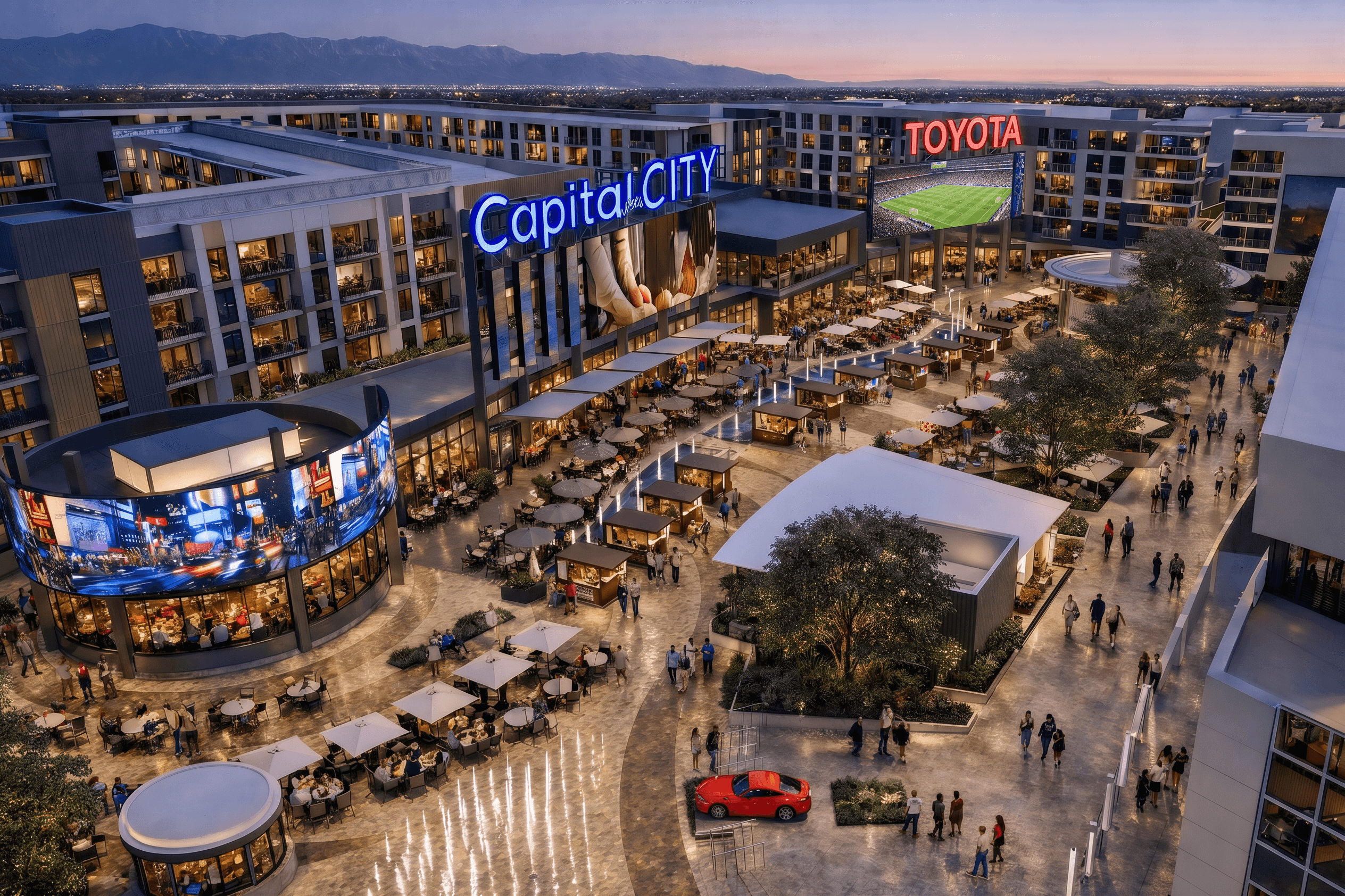
Pedestrian-first design.
Walkways lined with restaurants and retail connect every parking zone to the plaza. The entire arrival sequence is a curated experience.
Pedestrian-first design.
Written by
UX Strategy Lead at Arpeggio

As the digital landscape grows, so does its environmental impact. Sustainable design isn't just about green aesthetics—it's about making conscious decisions that reduce digital carbon footprints while maintaining exceptional user experiences. This shift towards eco-friendly design is becoming a crucial consideration for responsible digital creation.
Rethinking Digital Impact
Every website, app, and digital service has an environmental cost. From server energy consumption to device battery drain, our design choices directly impact the planet. Modern sustainable design practices focus on reducing these impacts through thoughtful optimization and efficient resource use.
The challenge lies in balancing sustainability with user experience. Today's solutions include performance optimization, efficient coding practices, and conscious choices about hosting and delivery methods. These practices not only benefit the environment but often lead to better performing, more user-friendly digital products.
Practical Solutions
Implementing sustainable design isn't just about going green—it's about creating better digital experiences that happen to be environmentally conscious.
Best Practices
Optimize image and video delivery
Choose energy-efficient color schemes
Implement efficient caching strategies
Reduce unnecessary animations
Select green hosting providers
The future of digital design must consider its environmental impact. By making sustainable choices today, we create better experiences for users while protecting tomorrow's digital landscape.
Key Takeaways
Dark mode reduces device energy use by 30%
Optimized images cut server loads significantly
Sustainable hosting choices matter
Performance efficiency equals environmental efficiency
User behavior influences digital carbon footprint
More articles
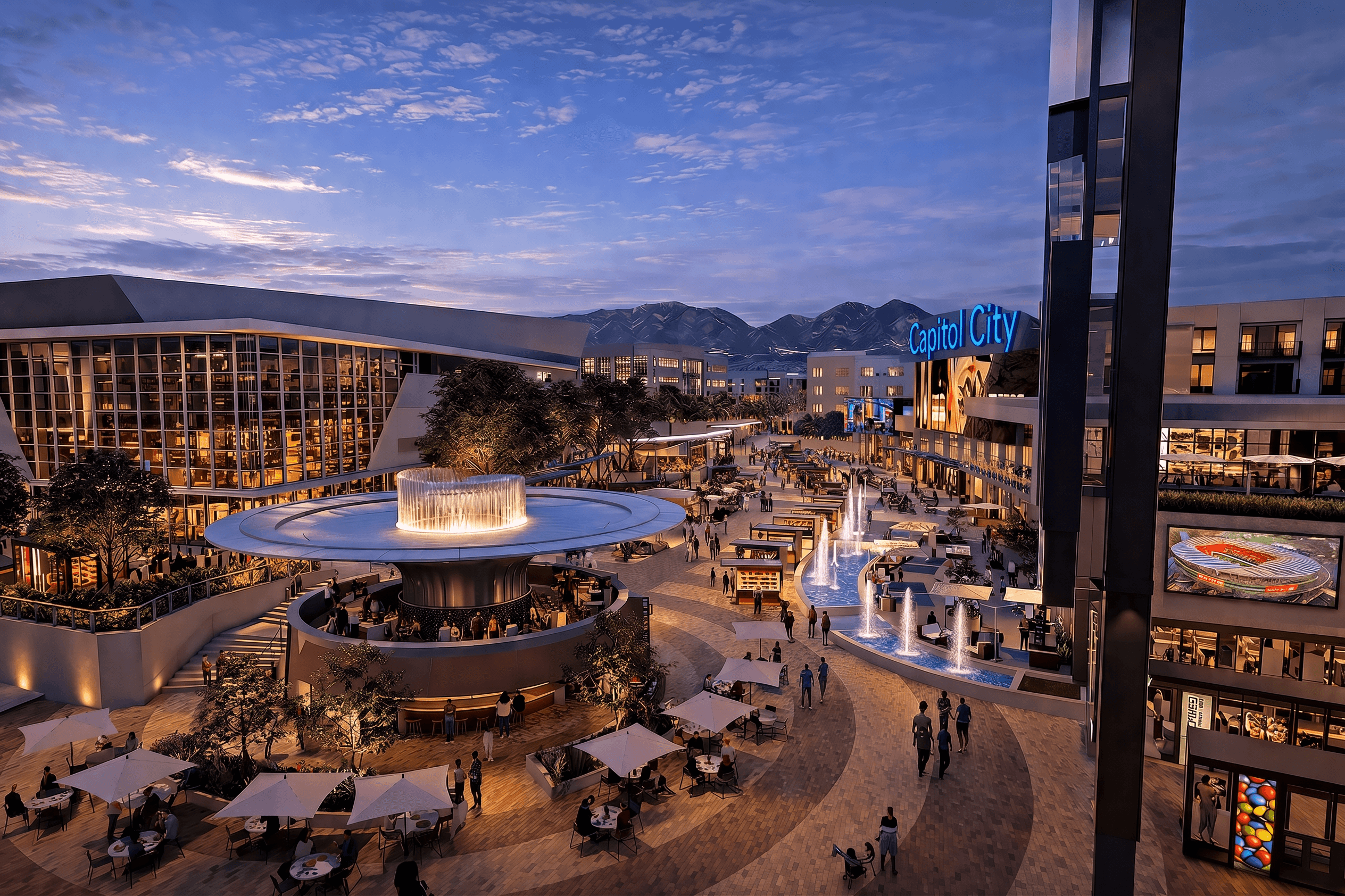
Parking — No compromise.
Surface lots, garages, and valet — all within steps of the main plaza and the Arena. Future structured parking: 5,000+ spaces planned.
Digital experiences are becoming increasingly nuanced, with micro-interactions playing a crucial role in how users engage with interfaces. These tiny, purposeful animations do more than just delight—they provide essential feedback, guide user behavior, and create memorable experiences that keep users coming back.
Creativity and Consistency
How modern design systems are reshaping brand experiences
In today's fast-paced digital landscape, design systems have become the backbone of successful product development. They're not just a trend—they're a fundamental shift in how we approach digital design and development. As organizations scale their digital presence, the need for systematic, efficient, and consistent design practices has never been more critical.
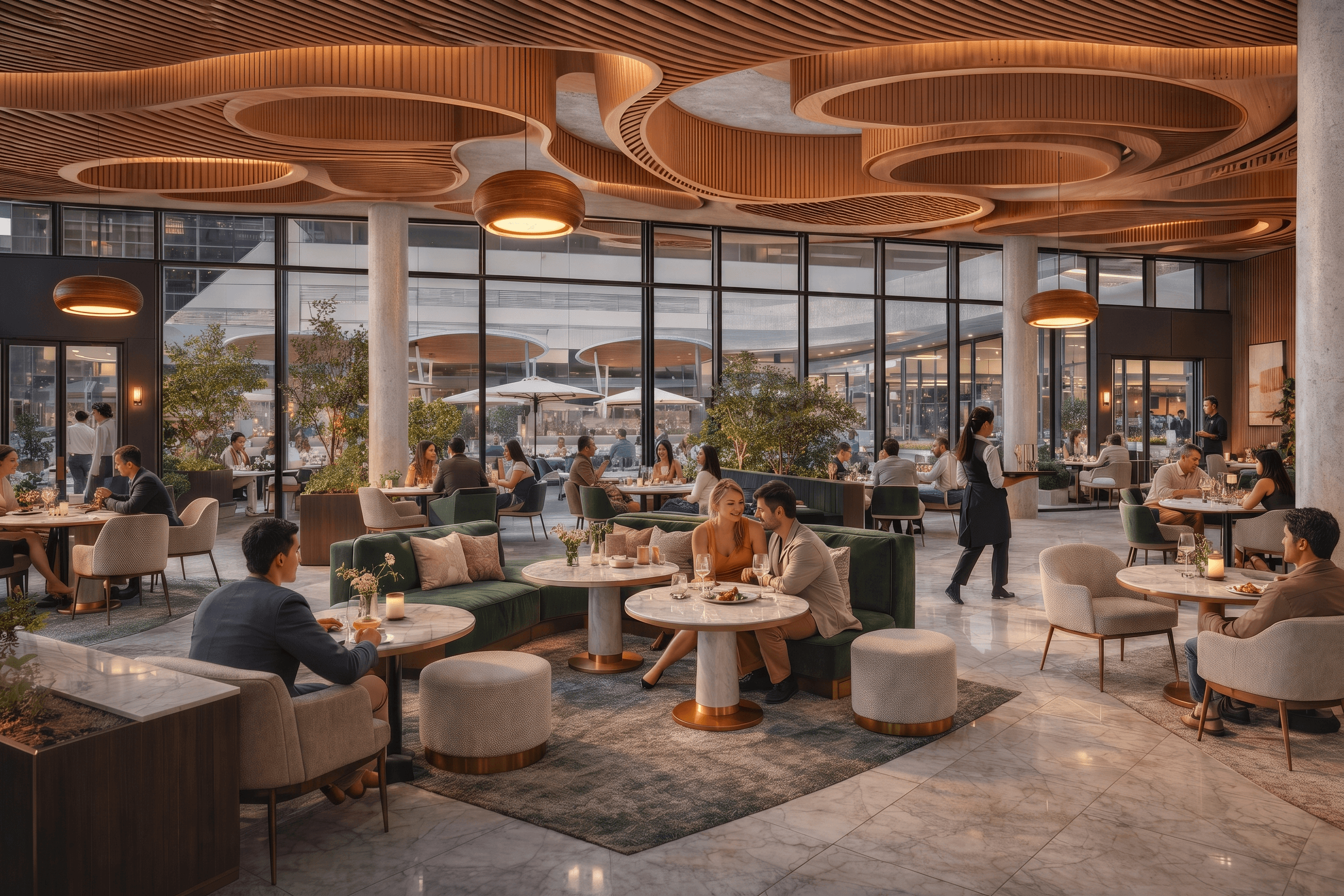
Suite access — direct.
Suite B: Plaza-level + patio access. Suite C: Outdoor patio level. Suite D: Plaza-level + patio. All suites front the central activation zone.
The intersection of AI and design has moved far beyond basic automation. Today's AI tools aren't just assisting designers—they're becoming active collaborators in the creative process. This evolution is reshaping how we approach design challenges and opening new possibilities for innovation and efficiency.
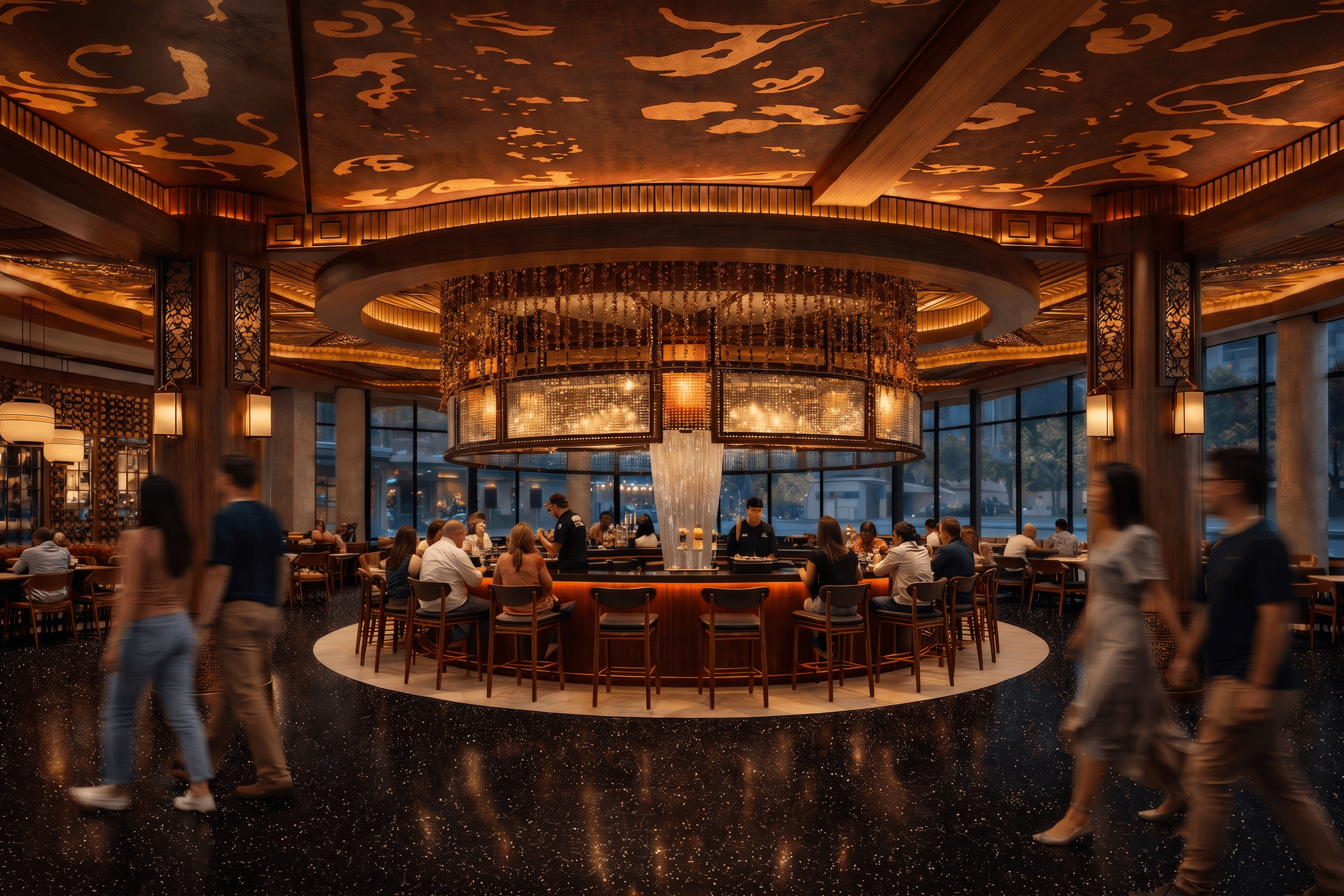
Valet drop-off.
Dedicated valet zone at the plaza entrance — premium positioning for premium dining operators.
Typography has evolved from a mere vehicle for text to a powerful tool for brand expression and user experience. In 2025, the role of typography in digital design goes beyond readability—it's about creating emotional connections and enhancing digital interactions through thoughtful type choices.

The New Wave of Design Animation
How motion design is transforming user interfaces in 2025
Motion in digital design has evolved far beyond simple transitions. Today's animation serves as a powerful tool for storytelling, user guidance, and brand expression. As devices become more powerful and users more sophisticated, thoughtful animation has become crucial for creating engaging digital experiences.
Pedestrian-first design.
Walkways lined with restaurants and retail connect every parking zone to the plaza. The entire arrival sequence is a curated experience.
Pedestrian-first design.
Written by
UX Strategy Lead at Arpeggio
As the digital landscape grows, so does its environmental impact. Sustainable design isn't just about green aesthetics—it's about making conscious decisions that reduce digital carbon footprints while maintaining exceptional user experiences. This shift towards eco-friendly design is becoming a crucial consideration for responsible digital creation.
Rethinking Digital Impact
Every website, app, and digital service has an environmental cost. From server energy consumption to device battery drain, our design choices directly impact the planet. Modern sustainable design practices focus on reducing these impacts through thoughtful optimization and efficient resource use.
The challenge lies in balancing sustainability with user experience. Today's solutions include performance optimization, efficient coding practices, and conscious choices about hosting and delivery methods. These practices not only benefit the environment but often lead to better performing, more user-friendly digital products.
Practical Solutions
Implementing sustainable design isn't just about going green—it's about creating better digital experiences that happen to be environmentally conscious.
Best Practices
Optimize image and video delivery
Choose energy-efficient color schemes
Implement efficient caching strategies
Reduce unnecessary animations
Select green hosting providers
The future of digital design must consider its environmental impact. By making sustainable choices today, we create better experiences for users while protecting tomorrow's digital landscape.
Key Takeaways
Dark mode reduces device energy use by 30%
Optimized images cut server loads significantly
Sustainable hosting choices matter
Performance efficiency equals environmental efficiency
User behavior influences digital carbon footprint
More articles
Parking — No compromise.
Surface lots, garages, and valet — all within steps of the main plaza and the Arena. Future structured parking: 5,000+ spaces planned.
Creativity and Consistency
How modern design systems are reshaping brand experiences
Suite access — direct.
Suite B: Plaza-level + patio access. Suite C: Outdoor patio level. Suite D: Plaza-level + patio. All suites front the central activation zone.
Valet drop-off.
Dedicated valet zone at the plaza entrance — premium positioning for premium dining operators.
The New Wave of Design Animation
How motion design is transforming user interfaces in 2025
Pedestrian-first design.
Walkways lined with restaurants and retail connect every parking zone to the plaza. The entire arrival sequence is a curated experience.
Pedestrian-first design.
Written by
UX Strategy Lead at Arpeggio
As the digital landscape grows, so does its environmental impact. Sustainable design isn't just about green aesthetics—it's about making conscious decisions that reduce digital carbon footprints while maintaining exceptional user experiences. This shift towards eco-friendly design is becoming a crucial consideration for responsible digital creation.
Rethinking Digital Impact
Every website, app, and digital service has an environmental cost. From server energy consumption to device battery drain, our design choices directly impact the planet. Modern sustainable design practices focus on reducing these impacts through thoughtful optimization and efficient resource use.
The challenge lies in balancing sustainability with user experience. Today's solutions include performance optimization, efficient coding practices, and conscious choices about hosting and delivery methods. These practices not only benefit the environment but often lead to better performing, more user-friendly digital products.
Practical Solutions
Implementing sustainable design isn't just about going green—it's about creating better digital experiences that happen to be environmentally conscious.
Best Practices
Optimize image and video delivery
Choose energy-efficient color schemes
Implement efficient caching strategies
Reduce unnecessary animations
Select green hosting providers
The future of digital design must consider its environmental impact. By making sustainable choices today, we create better experiences for users while protecting tomorrow's digital landscape.
Key Takeaways
Dark mode reduces device energy use by 30%
Optimized images cut server loads significantly
Sustainable hosting choices matter
Performance efficiency equals environmental efficiency
User behavior influences digital carbon footprint
More articles
Parking — No compromise.
Surface lots, garages, and valet — all within steps of the main plaza and the Arena. Future structured parking: 5,000+ spaces planned.
Creativity and Consistency
How modern design systems are reshaping brand experiences
Suite access — direct.
Suite B: Plaza-level + patio access. Suite C: Outdoor patio level. Suite D: Plaza-level + patio. All suites front the central activation zone.
Valet drop-off.
Dedicated valet zone at the plaza entrance — premium positioning for premium dining operators.
The New Wave of Design Animation
How motion design is transforming user interfaces in 2025

The Inland Empire's center
of gravity is forming.
Your table is ready.
Capital City is a once-in-a-generation leasing opportunity — at the intersection of entertainment, growth, and Southern California's next great address. Phase I completes Q1 2027. Suites B, C, and D are available now.
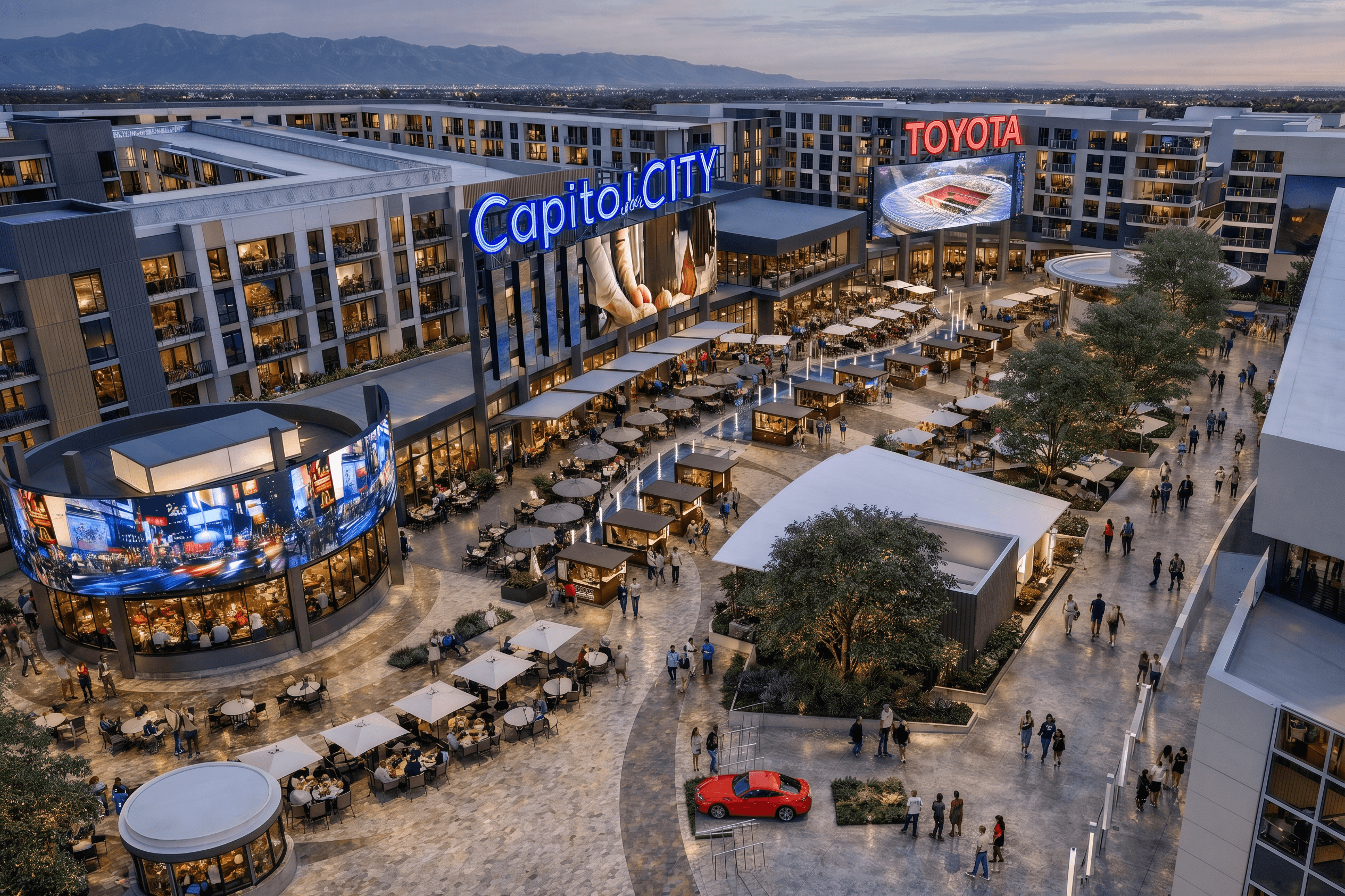
The Inland Empire's center
of gravity is forming.
Your table is ready.
Capital City is a once-in-a-generation leasing opportunity — at the intersection of entertainment, growth, and Southern California's next great address. Phase I completes Q1 2027. Suites B, C, and D are available now.
The Inland Empire's center
of gravity is forming.
Your table is ready.
Capital City is a once-in-a-generation leasing opportunity — at the intersection of entertainment, growth, and Southern California's next great address. Phase I completes Q1 2027. Suites B, C, and D are available now.